Understanding Vinyl Flooring Near Me
When considering new flooring options for your home, vinyl flooring near me frequently emerges as a popular pick. With its combination of aesthetics, durability, and affordability, vinyl flooring stands out in a crowded market. But what makes it an ideal choice for homeowners and renters alike? Here, we delve into vinyl flooring, exploring its benefits, types, purchasing options, installation, and maintenance tips to aid your decision-making process.
What is Vinyl Flooring?
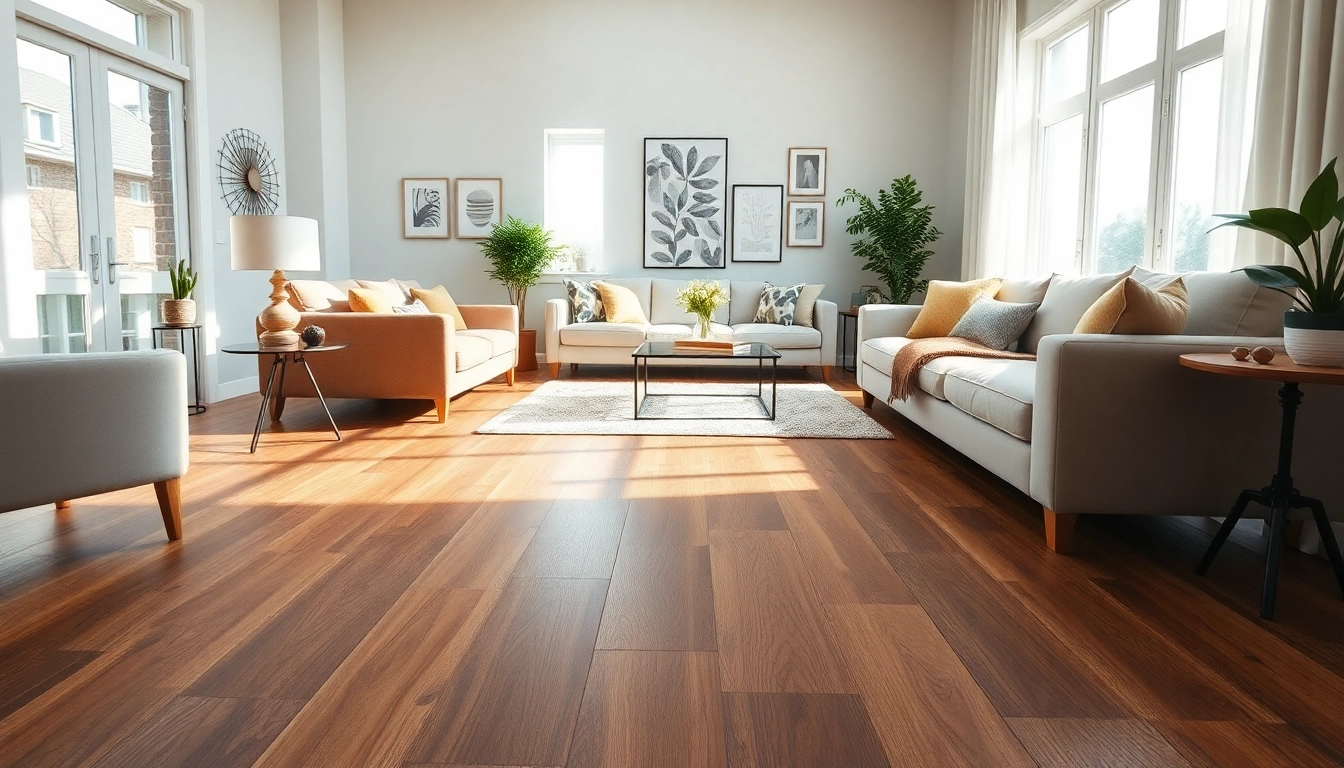
Vinyl flooring is a synthetic product typically made from polyvinyl chloride (PVC) resin and other components designed to mimic natural materials such as wood or stone. Available in a variety of styles, colors, and textures, it can fit seamlessly into different design schemes, elevating the ambiance of any room. Vinyl’s resilience and water resistance make it particularly suitable for areas prone to spills, making it a wise choice for kitchens and bathrooms.
Benefits of Choosing Vinyl Flooring
Choosing vinyl flooring brings numerous advantages:
- Affordability: Often more economical than hardwood or tile, vinyl flooring provides a cost-effective solution without sacrificing style.
- Water Resistance: Particularly suitable for moist environments, many vinyl products today come with enhanced waterproof capabilities.
- Ease of Installation: Generally, vinyl flooring can be installed more easily than other hard surface flooring options, with many products designed for self-installation.
- Low Maintenance: Vinyl flooring requires little upkeep; regular sweeping and occasional mopping suffice to keep it looking great.
- Variety: From luxury vinyl tiles (LVT) to planks and sheets, vinyl flooring presents a wide array of choices tailored to individual tastes.
How to Select Vinyl Flooring for Your Space
Selecting the right vinyl flooring for your home involves several key considerations:
- Room Function: Consider where the flooring will be installed. High-traffic areas or rooms exposed to water may benefit from more durable, waterproof options.
- Style Preferences: Choose colors and patterns that complement your décor—whether it’s a sleek modern aesthetic or a traditional look.
- Installation Method: Decide whether you want to install the flooring yourself or hire a professional, as this impacts the type of vinyl you may consider.
- Budget: Factor in both the cost of the flooring itself and any additional installation costs when making your decision.
Types of Vinyl Flooring Available
A selection of vinyl flooring types allows you to tailor your choice based on needs, style, and application.
Luxury Vinyl Tile (LVT)
Luxury vinyl tiles (LVT) are designed to closely imitate natural materials, including hardwood and stone. They offer high durability and resistance to water, scratches, and stains, making them excellent for both residential and commercial settings. Additionally, LVT can often be installed in a variety of patterns and designs, allowing for creative flexibility while ensuring robust performance.
Luxury Vinyl Plank (LVP)
Similar to LVT, luxury vinyl plank (LVP) is specifically shaped to resemble hardwood flooring. Known for its authentic aesthetic appeal, LVP provides warmth and beauty while remaining cost-effective and practical. Because LVP is made from PVC, it offers excellent moisture resistance and is suitable for areas like basements and kitchens.
Sheet Vinyl Options
Sheet vinyl is a single, continuous sheet of vinyl flooring, which can be ideal for larger rooms or areas with complex layouts. It reduces seams and thus minimizes water infiltration or dirt accumulation. Available in varied styles and colors, sheet vinyl excels in functionality and affordability, making it a popular consideration for many households.
Where to Buy Vinyl Flooring Near Me
Finding the right place to purchase vinyl flooring can greatly affect your project quality and budget. Here’s a guide to help you navigate your options.
Local Flooring Stores
Local flooring stores often provide the advantage of personalized service. Specialists can walk you through your options, allowing for a tactile experience where you can feel the texture and visualize the products in your space. Additionally, local retailers may offer localized expertise, helping you choose products best suited for your climate or area.
Online Retailers and Their Offers
The world of online shopping offers convenience and often a broader selection compared to physical stores. Many online retailers showcase extensive catalogs of vinyl flooring, allowing for price comparisons and easy exploration of various styles. However, when shopping online, ensure you read reviews and confirm return policies to safeguard against potential dissatisfaction with your choices.
Considerations When Shopping Locally
When shopping at local stores, consider the following:
- Service Quality: Assess the helpfulness and product knowledge of the staff.
- Delivery Options: Inquire about delivery services and associated costs, especially for larger orders.
- Samples: Ask for flooring samples to get a better feel for how they align with your overall décor.
Installation Process for Vinyl Flooring
The installation process for vinyl flooring can dramatically affect the outcome of your project, so it’s important to understand what’s involved.
Preparation Steps for Installation
Before installation, follow key preparatory steps:
- Subfloor Inspection: Ensure the subfloor is clean, dry, and level. Repair any damage, as improper preparation can lead to the quick deterioration of the flooring.
- Acclimation: Allow vinyl flooring to acclimate to the room temperature and humidity for 48 hours prior to installation.
- Tools & Materials: Gather essential installation tools, including a utility knife, straight edge, measuring tape, and any adhesive if required.
DIY vs. Professional Installation
Deciding between DIY installation and professional help hinges on your skill level and the complexity of the flooring:
- DIY Installation: Many vinyl flooring options are designed for DIY enthusiasts, featuring simple interlocking or glue-down designs. If you’re comfortable with basic tools and following instructions, you may find a rewarding project.
- Professional Installation: If you prefer a flawless finish and peace of mind, hiring professionals ensures the job is done quickly and correctly, potentially giving you a warranty on installation.
Common Installation Challenges
While many projects go smoothly, some common challenges may arise:
- Bubbles or Wrinkles: To prevent these, ensure to apply the flooring with firm pressure and follow laying instructions meticulously.
- Improper Cuts: Measure thoroughly and double-check your cuts to ensure a correct fit, particularly around corners and edges.
Maintenance Tips for Vinyl Flooring
Taking care of your vinyl flooring can significantly extend its lifespan and maintain its appearance. Here are effective maintenance tips to keep in mind.
Cleansing and Care Techniques
To maintain vinyl flooring, employ the following cleansing techniques:
- Regular Sweeping: Sweep or vacuum regularly to eliminate dirt and grit that can damage the surface.
- Mopping: Use a damp mop with a gentle cleanser specifically recommended for vinyl floors, avoiding vinegar or abrasive materials.
How to Prevent Damage
To prevent damage, remember to:
- Use Furniture Pads: Place pads under furniture legs to prevent scratches.
- Avoid Excessive Water: While vinyl flooring is water-resistant, excessive moisture can harm the adhesive underneath, so promptly clean up spills.
Long-term Maintenance Strategies
For long-term maintenance, consider:
- Regular Inspection: Periodically check for any signs of wear or damage, addressing issues promptly to prolong the floor’s lifespan.
- Resealing: Depending on your flooring type, occasional resealing can protect against fading and scratches.
FAQs About Vinyl Flooring Near Me
1. How long does vinyl flooring last?
Vinyl flooring typically lasts 10 to 20 years, depending on the quality of the material and how well it’s maintained.
2. Is vinyl flooring waterproof?
Many modern vinyl flooring options are waterproof, making them ideal for kitchens and bathrooms, but check product specifications to confirm.
3. Can I install vinyl flooring over existing floors?
Yes, you can install vinyl flooring over many existing floors, provided they are clean, flat, and in good condition.
4. How do I remove vinyl flooring?
Removing vinyl flooring usually involves peeling it up or using a heat gun followed by scraping, especially if it’s glued down. It’s advisable to get professional help for stubborn installations.
5. Is vinyl flooring good for homes with pets?
Yes, vinyl flooring is an excellent option for homes with pets due to its durability, scratch resistance, and easy cleaning capabilities.