
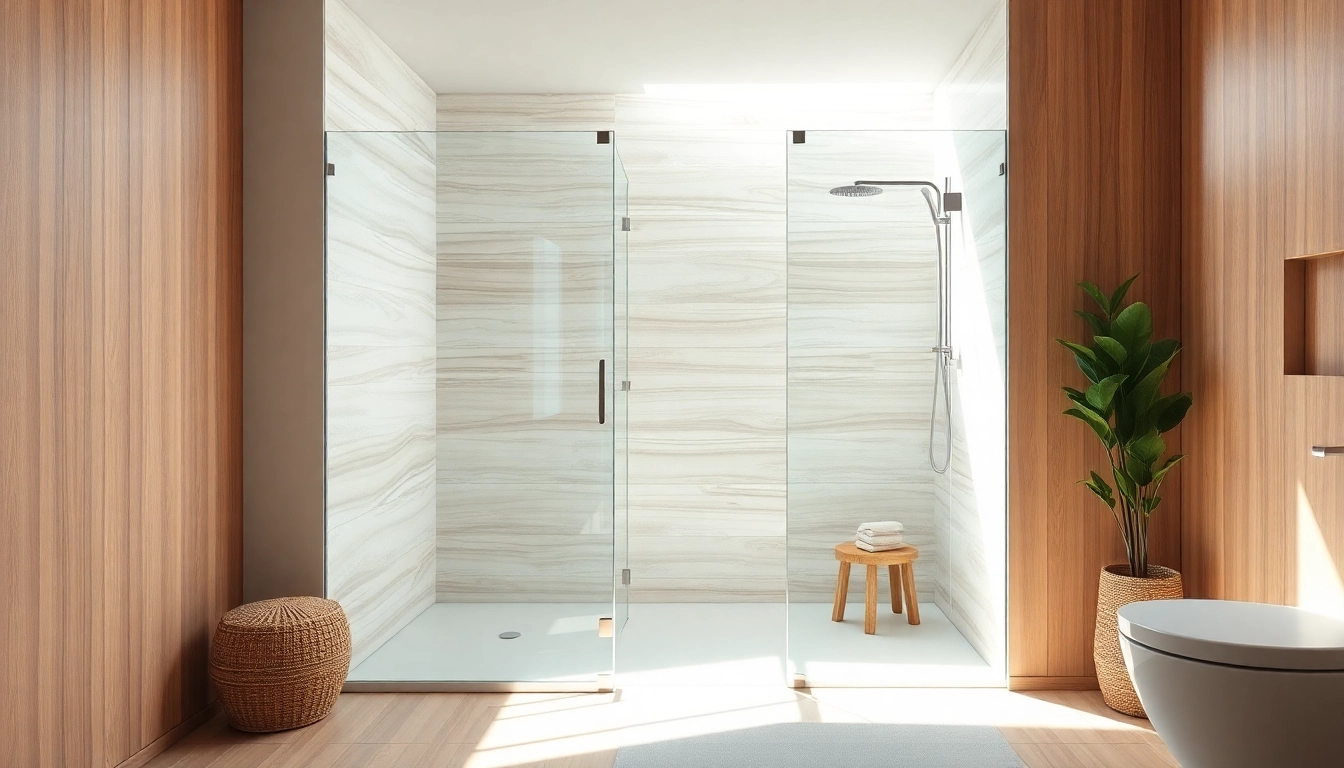
Understanding Shower Screens for Walk In Showers
What Are Shower Screens?
Shower screens are essential components in modern bathrooms, particularly in walk-in showers, where they serve both functional and aesthetic purposes. Typically made from glass, shower screens provide a barrier that helps contain water within the shower area, preventing it from splashing onto the bathroom floor. They can range from simple transparent screens to elaborate designs that enhance the overall décor of your bathroom.
Benefits of Using Shower Screens
Incorporating shower screens for walk in showers into your bathroom design offers several advantages:
- Water Containment: They effectively prevent water from escaping the shower area, maintaining a dry and safe bathroom environment.
- Enhanced Aesthetics: Available in various styles, shower screens can significantly elevate the visual appeal of your bathroom.
- Easy Maintenance: Most modern shower screens are designed for easy cleaning, often featuring smooth surfaces that resist soap scum buildup.
- Space Saving: Unlike traditional shower curtains, which can take up space and look unkempt, a glass screen creates an illusion of a bigger area.
Types of Shower Screens Available
When selecting shower screens for your walk-in shower, it’s important to familiarize yourself with the different types available:
- Framed Shower Screens: These screens feature a metal frame that offers structural support, making them a sturdy choice. They can be customized in different finishes, such as chrome or brushed nickel.
- Frameless Shower Screens: For a sleek and modern look, frameless shower screens are an excellent choice. They are secured by hinges or clamps, allowing for a seamless design without visible framing.
- Half Panels: Ideal for minimalist or compact spaces, half panels provide enough coverage to keep water contained while maintaining an open feel.
- Sliding Screens: Perfect for smaller spaces, sliding screens can be opened or closed as needed to manage water flow efficiently.
- Bi-fold Screens: These screens fold inwards and outwards, making them versatile for various space constraints without sacrificing functionality.
Choosing the Right Shower Screen for Your Space
Measuring Your Shower Area
Before selecting a shower screen, accurate measurements of your shower area are crucial. Start by measuring the width and height of the opening. It’s advisable to take measurements at multiple points, as walls can sometimes be uneven. Ensure to account for any fixtures or obstructions within the shower area, which might affect the screen’s installation.
Design Options: Framed vs. Frameless
Choosing between framed and frameless designs depends largely on the overall aesthetic of your bathroom. Framed shower screens tend to provide a more traditional look while offering additional stability. In contrast, frameless designs project a contemporary feel and allow more light into the space. Consider your existing bathroom features and your personal style when making a decision.
Considerations for Different Styles
The design of your shower screen should complement the rest of your bathroom décor. For a modern bathroom, a frameless glass screen paired with minimalistic fixtures will work beautifully. Conversely, if your bathroom exhibits a classic vibe, a framed screen with decorative accents could be a perfect fit. Additionally, the type of glass—clear, frosted, or tinted—can dramatically alter the space’s ambiance.
Installation Tips for Shower Screens
Preparing Your Bathroom
Before installation, ensure your bathroom is well-prepared. Clear the shower area of any obstacles and ensure that the walls are clean, dry, and level. It might be beneficial to check the condition of the walls and make any necessary repairs before commencing the installation process.
Tools You Might Need
Having the right tools at your disposal can simplify the installation process. Common tools needed for shower screen installation include:
- Driller or screwdriver
- Level
- Measuring tape
- Silicone sealant
- Glass suction cups (if needed)
- Safety glasses and gloves
Step-by-Step Installation Guide
Follow these steps for a successful shower screen installation:
- Measure and Mark: First, measure and mark where the shower screen will be installed, ensuring it aligns correctly with the opening.
- Install Mounting Hardware: Next, attach the mounting hardware to the wall according to the manufacturer’s instructions.
- Install the Screen: Lift the shower screen into the position, ensuring it is secure and balanced. You may need assistance to hold the glass in place.
- Seal Edges: Once the screen is in place, apply silicone sealant to edges to create a waterproof barrier.
- Allow to Cure: Wait at least 24 hours for the sealant to cure before using the shower.
Maintaining Your Shower Screens
Cleaning Techniques to Use
Regular cleaning is essential to maintaining the clarity and shine of your shower screens. Use a non-abrasive cleaner mixed with warm water and a soft cloth or sponge. Avoid harsh chemicals, which can damage glass over time. For stubborn stains, consider using a mixture of vinegar and baking soda. Apply it to the affected area, let it sit, then scrub gently and rinse thoroughly.
Preventing Water Stains
Water stains can be a common issue with shower screens. To prevent these, consider applying a glass treatment product, which creates a protective barrier that repels water and soap scum. Additionally, using a squeegee after each shower can help remove excess water and keep your screens pristine.
Long-Term Care Tips
To ensure the longevity of your shower screens, make maintenance a regular habit. A weekly cleaning schedule can help prevent the accumulation of grime and stains. Additionally, check the seals around the edges periodically for any signs of wear or damage, reapplying sealant as necessary to maintain waterproofing.
FAQs About Shower Screens for Walk In Showers
How do I choose the right size for my shower screens?
Measure the width and height of your shower opening to find a compatible size. Ensure that the screen fits snugly without gaps.
Are frameless shower screens more durable?
Frameless glass screens are typically thicker and more robust, making them a durable choice. Proper installation enhances longevity.
Can I install shower screens myself?
Yes, with the right tools and careful measurements, many homeowners install shower screens. Follow detailed guides for assistance.
How often should I clean my shower screens?
For optimal appearance and hygiene, clean your shower screens weekly using non-abrasive cleaners to avoid buildup.
What designs are trending for shower screens?
Current trends favor minimalistic, frameless designs with clear glass, often complemented by sleek fixtures and tile patterns.